Mountain homes have a particular kind of traffic. Ski boots and snowshoes in winter, muddy trail runners in spring, a dog that just went through every puddle on the block. Most of that comes in through the garage or a side door and lands on whatever floor is closest, which is often concrete.
Coating those floors gives you a surface that can be hosed, mopped or wiped without worry. No carpet to stain, no grout to scrub, no laminate edges swelling from melted snow. Inside the house, though, the standards go up: the finish has to look right, feel good underfoot and not trap moisture. Here is how we approach interior floors in Flagstaff.
Rooms that benefit most
These are the interior spaces Flagstaff homeowners ask us to coat most often.
Moisture: the first thing we test indoors
Interior concrete in Flagstaff can carry more moisture than people expect. Basements sit below grade, snowmelt saturates the soil each spring, and some older homes were built without an effective vapor barrier under the slab.
When moisture moves up through concrete, it can build pressure under a coating and cause blisters or loss of bond. So every interior estimate includes a moisture test. If readings are high, we use a moisture-mitigating primer designed to block vapor before the decorative layers go down.
We also look for signs of active water, such as efflorescence along walls or staining near the foundation. Those may point to drainage issues that should be addressed first. We would rather tell you than coat over a problem.
Interior finishes
Interior finishes are chosen for how a room feels as much as how it performs.
Satin solid color
Soft sheen in greys, warm stone or deep green. Calm, modern and forgiving of footprints.
Fine flake
A tight speckle that hides grit and dog hair between cleanings. Ideal for mudrooms.
Metallic
Reflective, flowing pigments for finished basements and family rooms. See metallic epoxy.
Clear sealed concrete
For slabs with character worth keeping, a clear system protects without hiding the concrete.
For mudrooms and entries, we nearly always add a fine slip-resistant texture. It is barely visible but makes a real difference when the floor is wet with snowmelt.
Why a coated slab makes sense in a mountain home
Water is not a problem. Snow, mud and spills sit on the surface. There are no seams for water to get under, as there are with laminate or vinyl plank.
Allergen-friendly. No carpet fibers to hold dust, pollen and pet dander. Spring pollen and dusty summer winds are easy to mop away.
Tough enough for gear. Ski edges, bike stands, dropped tools and dog claws are far less likely to mark a quality coating than wood or vinyl.
Works with radiant heat. Coated concrete transfers warmth from in-floor radiant systems efficiently, with the right product choice and installation approach.
Brighter lower levels. Light colors and a satin sheen bounce daylight around basements and walk-out levels that can feel dim in winter.
A note on radiant floor heat
Some Flagstaff homes have hydronic or electric heat in the slab. Coatings can work well over radiant floors, but the details matter. We turn the heat down before and during installation so the slab is at the right temperature for application, choose products suited to heated slabs and bring the system back up gradually afterward. Tell us about radiant heat at the estimate so we can plan for it.
How an interior project runs
Walkthrough and testing
We look at the room, test moisture, check for radiant heat and bring finish samples.
Protection and removal
Walls, doors and nearby rooms are protected. Old carpet, tile or adhesive is removed.
Grinding and repair
The slab is ground with dust collection, then cracks and low spots are filled.
Primer and finish coats
Moisture-mitigating primer if needed, then color, flake or metallic layers.
Clear coat and move-in
The final sealing layer goes on in matte, satin or gloss. Walk on it in socks the following day; furniture follows a few days later.
Interior floors and Flagstaff homes
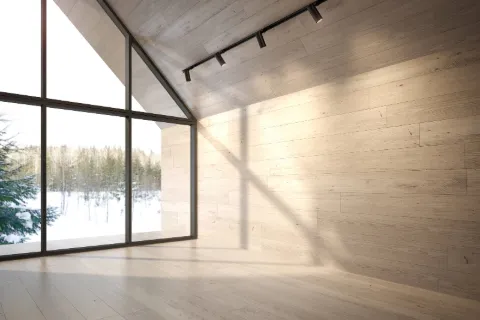
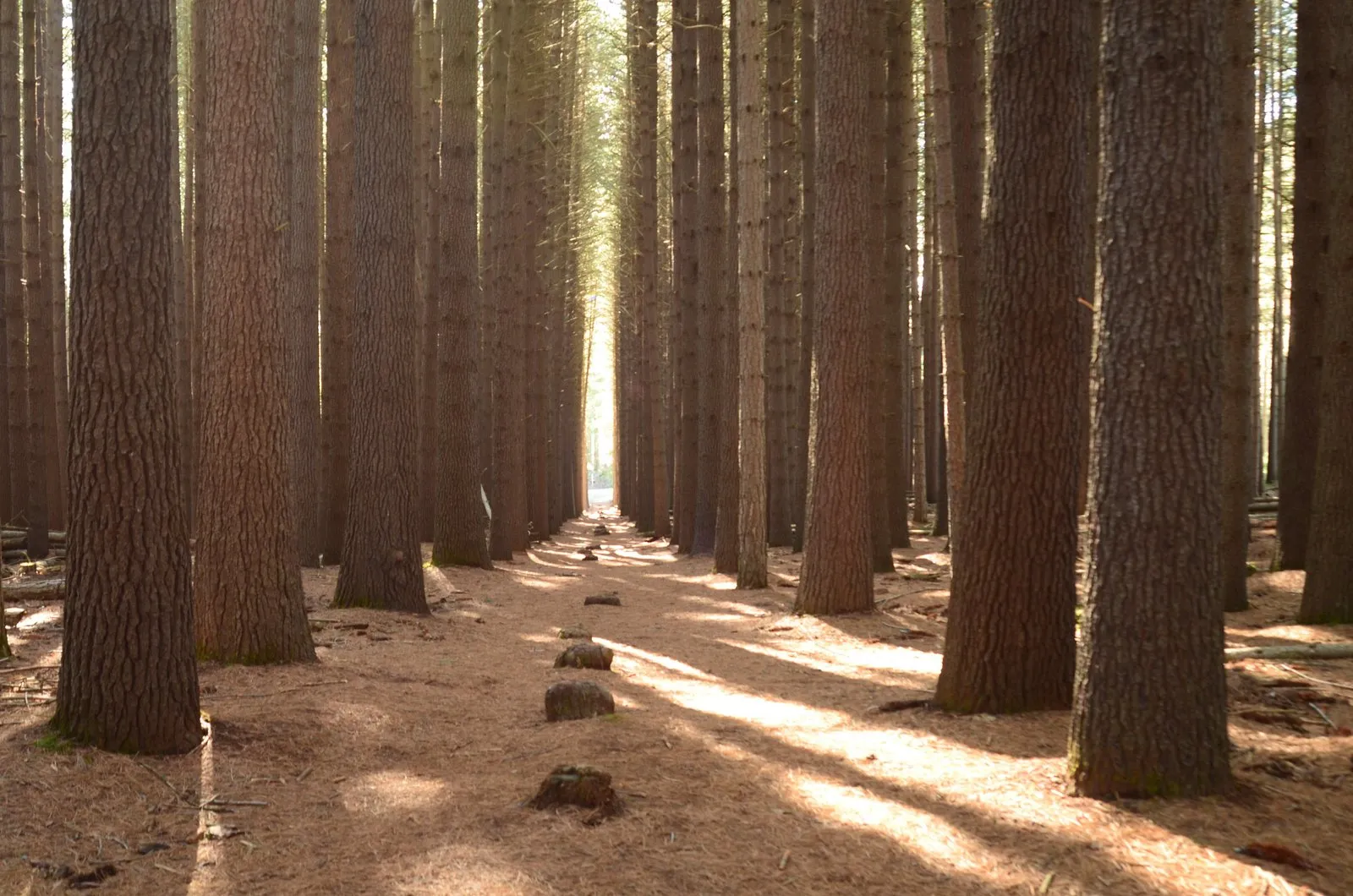
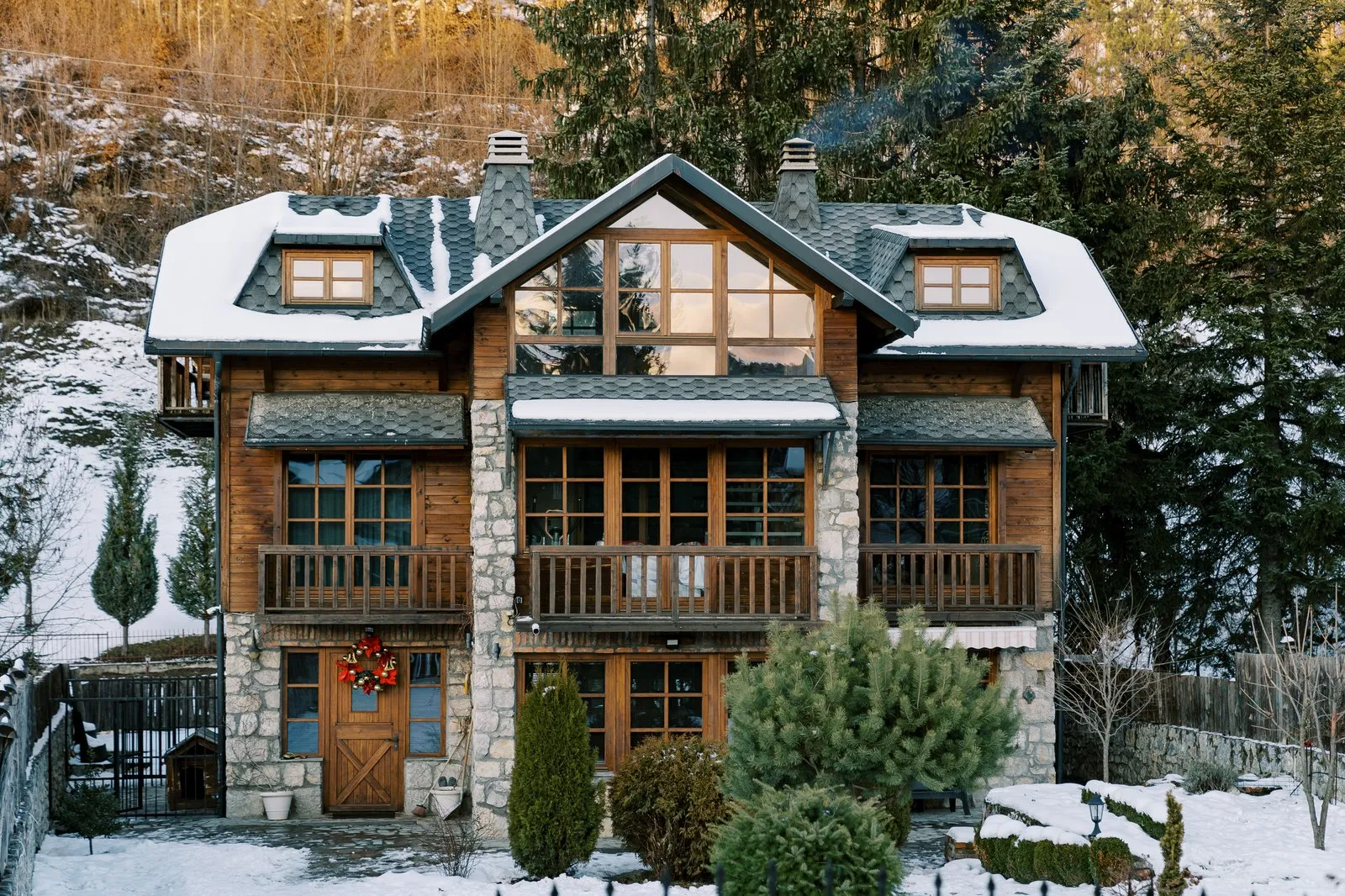
Flagstaff's housing is a mix: older homes downtown and in the Southside, mid-century houses with basements, newer builds with walk-out lower levels, and cabins in the pines. Each brings its own conditions.
Older basements often need more moisture work. Cabins may sit unheated for weeks, so the slab can be very cold when we arrive; we plan heat and timing accordingly. Newer homes may have slabs only a few years old, which usually coat beautifully once they have fully cured.
We also think about transitions. Where a coated mudroom meets hardwood in the hallway, or a basement floor meets carpeted stairs, we plan the edge so it looks finished and nobody trips on a lip.
Why careful installation matters indoors
Living spaces leave nowhere to hide. Low winter sun through a Flagstaff window picks out leftover thinset ridges, specks of dust in the clear coat, patchy sheen and ragged baseboard edges. Interior work also means protecting finished surfaces, controlling dust in an occupied house and managing odor.
Our crews take the extra time interior floors need: more thorough grinding, careful edge work, clean air management and a final inspection in good light before we hand over the room.
What affects the price of an interior floor
Interior projects vary more than garages because so much depends on what is on the floor now. Removing carpet is quick; removing tile and grinding off thinset takes longer. Moisture mitigation adds a primer layer. Metallic finishes take more material and labor than satin solids or fine flake. Small rooms like mudrooms can have a higher cost per square foot simply because setup time is the same as for a larger space. Your estimate lists each part so you can see where the cost comes from.