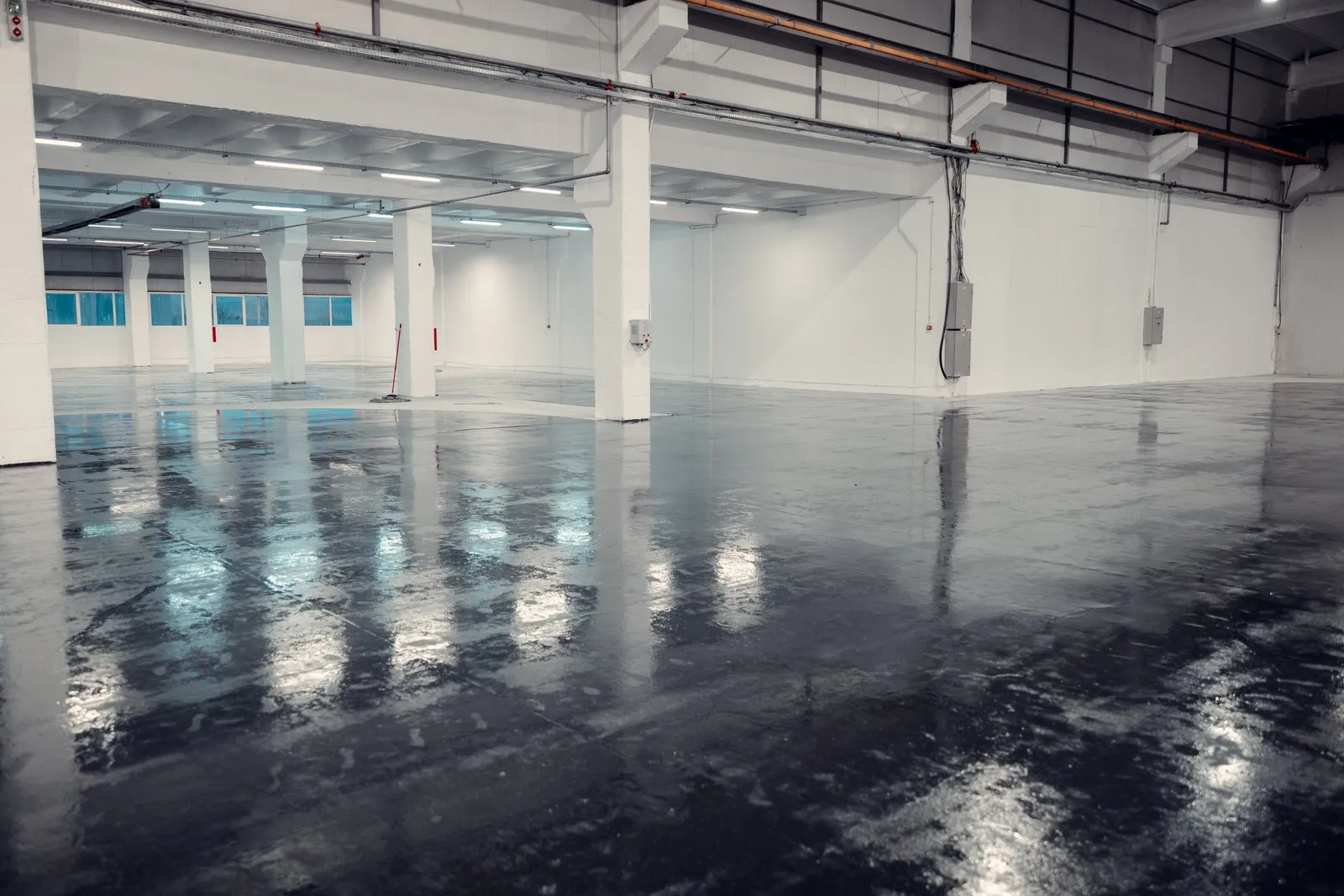
A detached shop in Doney Park might sit well below freezing on a January night and warm up in the afternoon sun through the bay door. Over a winter, that slab expands and contracts again and again, and any hairline crack opens and closes with it. A rigid coating has to fight every one of those movements. Eventually it loses, usually by chipping along cracks and joints.
Polyurea is our answer to that problem. It cures tough but flexible, so it moves with the concrete instead of resisting it. It also absorbs impact, cures quickly and bonds strongly to properly prepared concrete. Here is when it makes sense and how we use it.
Freeze-thaw, movement and why rigid coatings struggle
Concrete moves with temperature. In heated spaces the swings are small, but in unheated garages, shops and barns, the slab can go from frozen to sun-warmed within a day. Over a season, that adds up to a lot of tiny expansion and contraction concentrated at cracks, joints and slab edges.
Rigid coatings, including many standard epoxies, are very strong but do not stretch. As the concrete moves beneath them, stress builds at the bond line. That is where you see chips along cracks, lifting at joints and coatings that let go near the door where temperatures change the most.
A flexible base absorbs that movement. Polyurea can stretch and recover without tearing, so the coating rides along with normal slab movement instead of cracking over it.
Where polyurea makes the biggest difference
We recommend polyurea most often for:
- Unheated or detached garages that freeze in winter and warm up in the sun.
- Workshops and barns on rural properties east and north of town, where tools, equipment and trailers come and go.
- Older slabs with many cracks, common in established Flagstaff neighborhoods.
- Floors where a previous coating chipped, which is often a sign that a rigid system could not handle movement.
- Heavy-use spaces, where dropped tools and rolling equipment would chip a harder coating.
For a heated, newer garage with few cracks, a quality epoxy base may serve just as well. We will tell you which applies.
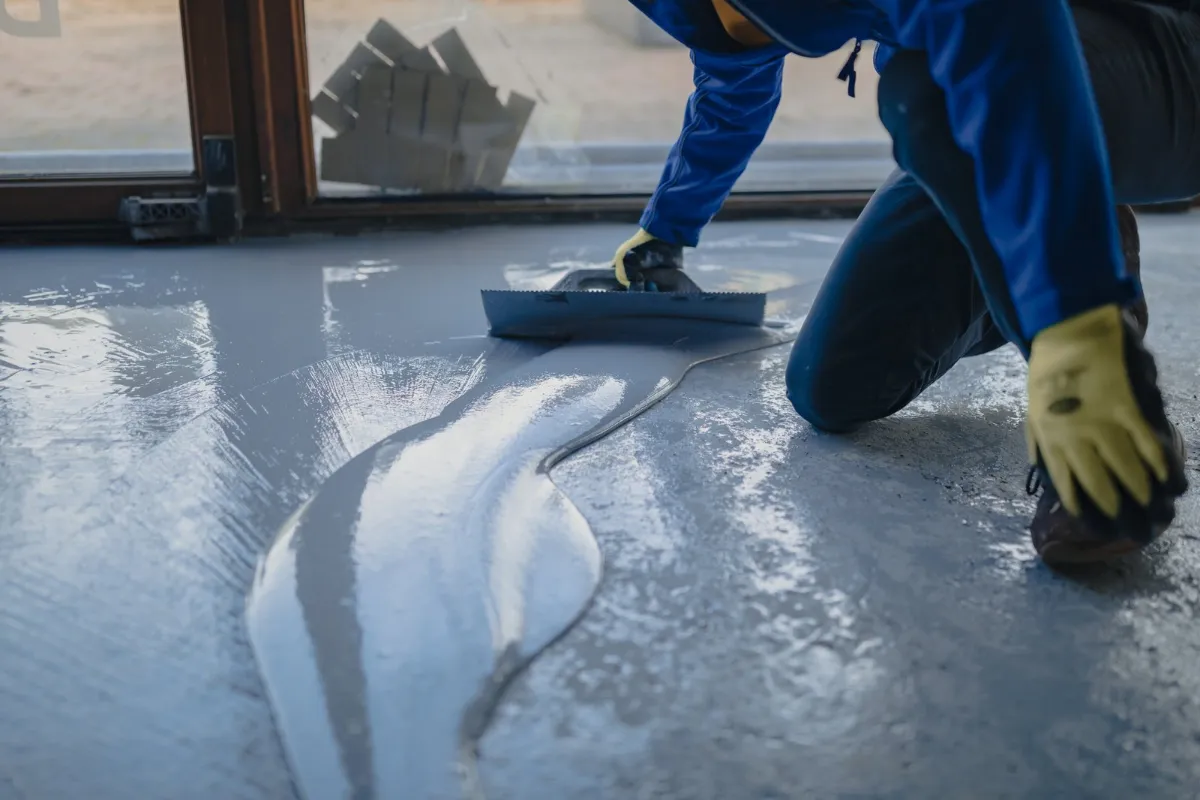
Properties that make polyurea useful
Polyurea floor systems
Polyurea is usually the foundation of a system rather than the only layer.
Polyurea, flake and polyaspartic
Our standard build for unheated garages: flexible base, textured flake and a UV-stable polyaspartic topcoat.
Pigmented polyurea with grit top
A solid-color, high-traction floor for shops, barns and equipment bays.
High-build polyurea
A thicker application for heavy-use areas with rolling loads and impact.
Flexible joint and crack repair
Polyurea-based fillers that move with the slab, used even under other systems.
How we install a polyurea system
Map the slab
We note cracks, joints, previous repairs and any signs of structural movement.
Grind
Diamond grinding creates the open profile polyurea needs to bond.
Repair with flexibility in mind
Moving cracks get flexible filler; static damage gets rigid repair material.
Polyurea base
Applied in sections, pigmented or with a flake broadcast.
Topcoat
A protective, textured topcoat matched to sun exposure and use.
Northern Arizona conditions
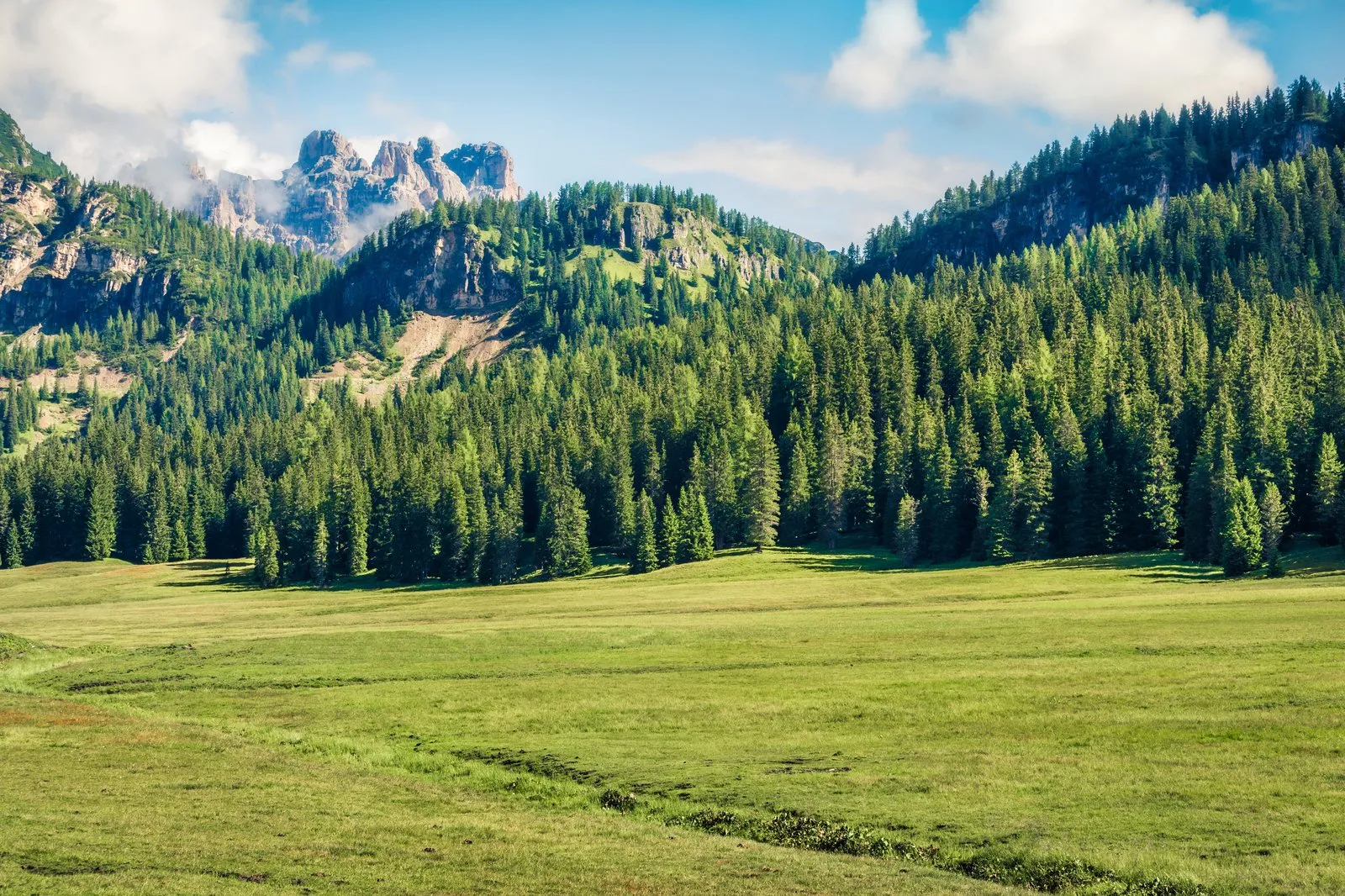
Flagstaff sits high enough that freeze-thaw cycles are a normal part of most winters, and many properties outside town rely on unheated outbuildings. Slabs here also sit on a variety of ground, from volcanic cinder soils to clay, which can move with moisture.
Polyurea is not a fix for structural problems. If a slab is actively heaving or settling, cracks will reappear through any coating, and we will point that out. But for the normal movement that comes with cold weather and older concrete, a flexible base gives the floor much more margin.
Because polyurea cures quickly, it also helps us work within tight weather windows in fall and spring, when nights are cold but days are still workable.
Why polyurea is a professional product
Polyurea cures fast and has a short working life once mixed. It requires accurate ratios, a clean and freshly ground surface and steady application. Choosing which cracks to fill flexibly and which to fill rigidly, and recognizing when a crack signals a bigger issue, takes experience with a lot of slabs. Those judgment calls are a large part of what makes a polyurea floor last.
Cost and value over time
Polyurea materials typically cost more than standard epoxy, but on most garage and shop floors, preparation and labor make up the larger share of the price. The total difference is often modest.
Where it pays off is the third or fourth winter. Rigid floors in cold shops tend to start chipping along their crack lines about then; a flexible base usually does not. If your building freezes, that difference is worth more than the material cost.
Caring for a polyurea floor through the seasons
In winter, squeegee meltwater toward the door and sweep up cinders and gravel, which are abrasive. Rinse deicer residue every few weeks. In spring, give the floor a thorough wash to remove the season's grime.
Equipment-heavy shops benefit from mats or plywood under kickstands, jack stands and trailer tongues. If a high-traffic lane dulls after several years, the topcoat can be renewed without disturbing the polyurea base underneath.
Detached shops, barns and rural outbuildings
Outside town, in Doney Park, Timberline, Winona and the rural areas around them, many properties have a detached shop or pole building that is used hard and rarely heated. Floors in those buildings carry trucks, tractors, snowblowers, trailers and projects in progress, and they often sit at or below freezing for weeks at a time.
That combination is where polyurea earns its keep. The flexible base handles the cold and the movement, the impact resistance shrugs off dropped parts and hitch jacks, and a textured topcoat keeps the floor safe when snow melts off a truck. We can also coat only the working areas and leave storage bays sealed, if budget is a factor.
Questions to ask any installer about a flexible system
If you are comparing quotes, a few questions help separate thorough proposals from quick ones. How will the slab be prepared, and will it be diamond-ground? Which cracks will be filled flexibly and which rigidly? What topcoat will go over the base, and is it rated for UV and deicers? What are the minimum slab and air temperatures for installation, and how will they be checked on the day?
Good answers to those questions are a better predictor of a lasting floor than any brand name on the bucket.