Flagstaff's business calendar runs on seasons. Ski traffic in winter, tourists and Grand Canyon visitors in summer, students coming and going with the university year, and quieter shoulder seasons in between. A floor project has to fit somewhere in that rhythm without costing you your best weeks.
Resin flooring gives commercial spaces a seamless surface that stands up to washdown, chemicals, snow and constant foot traffic, and the right system can be installed in a weekend or phased around operations. We work with breweries, restaurants, retailers, clinics, offices and lodging in and around town, and every project starts with understanding how your space works.
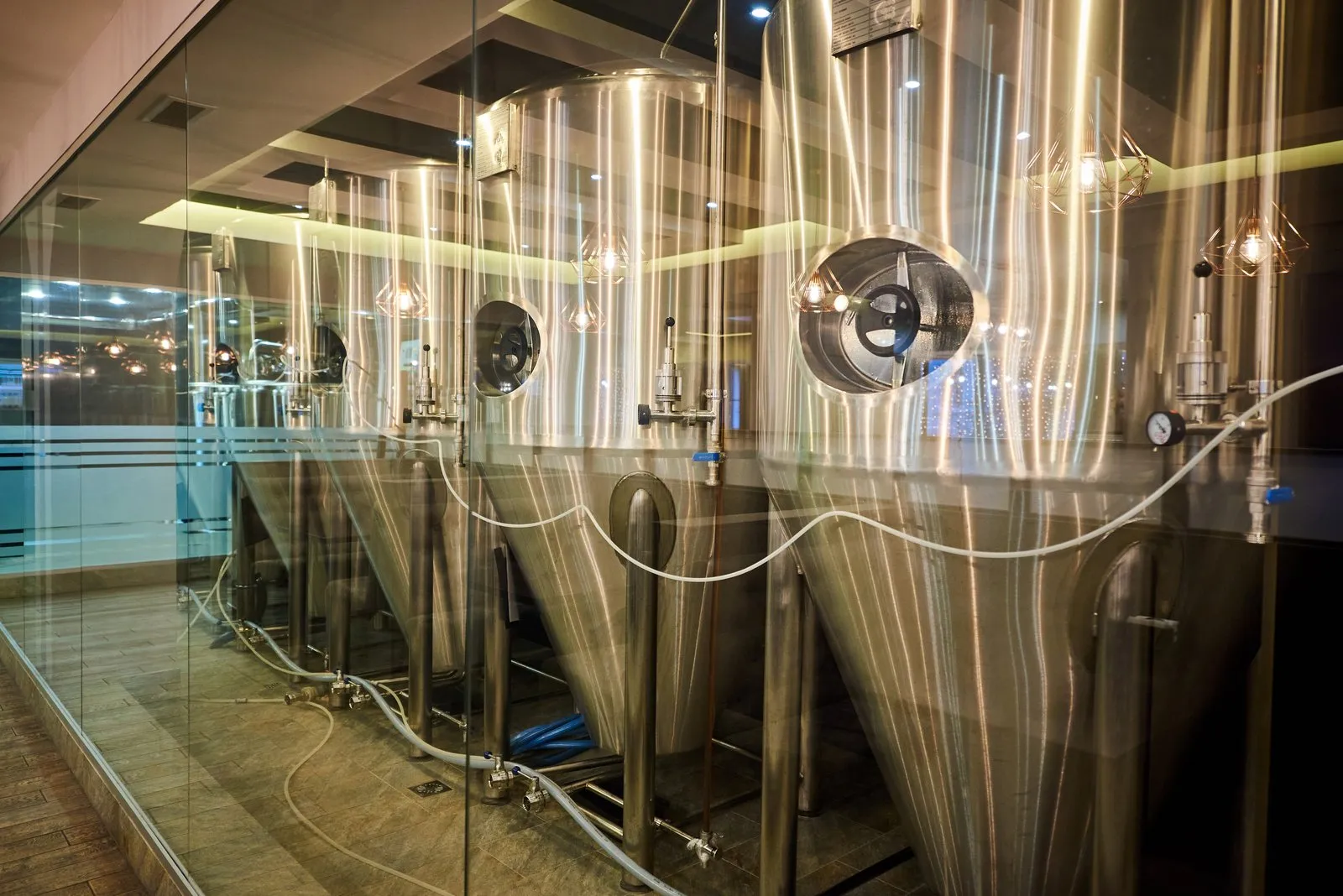
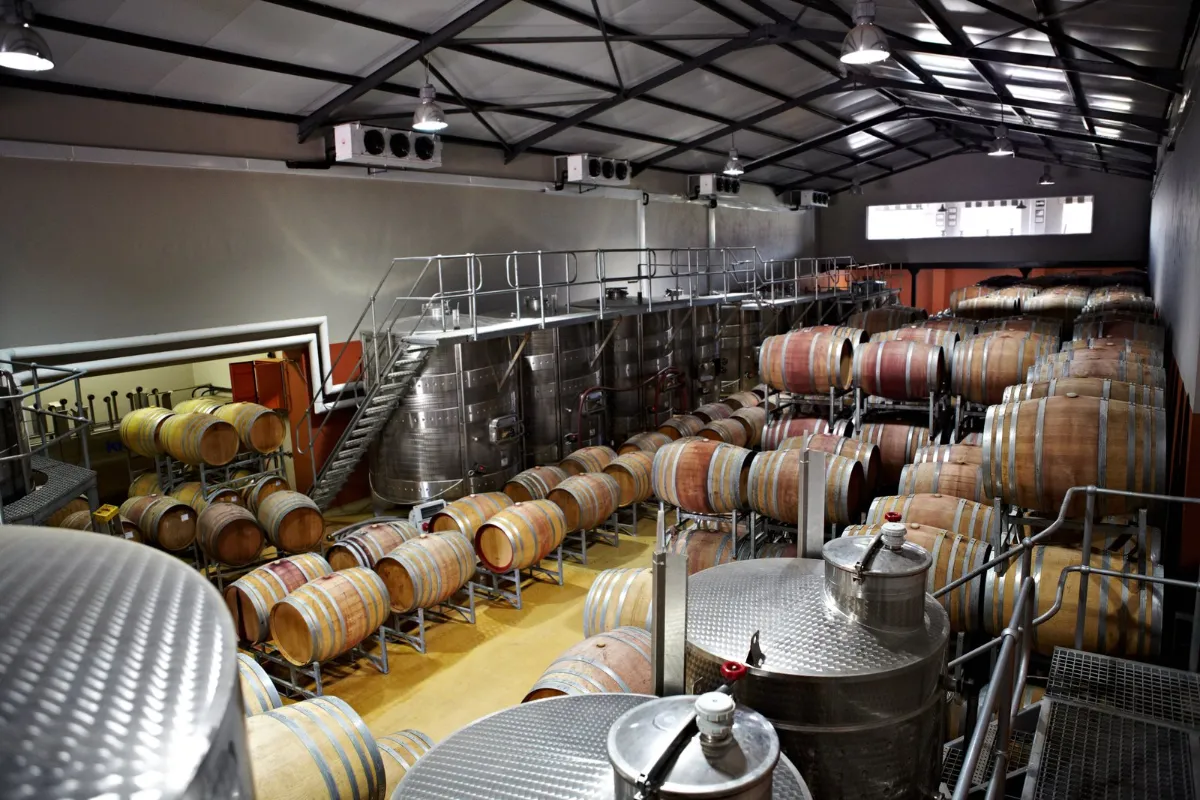
Brewery and taproom floors
Flagstaff's brewing scene puts some of the toughest demands on any floor. Production areas see hot caustic cleaners, sugary wort, acidic sanitizers, constant water and heavy equipment. Floors slope to trench drains and are hosed down daily. Many original concrete floors in older buildings were never designed for that.
For brew houses and cellars, we often recommend urethane cement systems, which tolerate thermal shock from hot washdown and resist the chemicals used in brewing. Texture is set for safe footing on a wet floor, and the coating is carried into drains and up walls as a cove so there is nowhere for water and grime to hide.
Taprooms need something different: a floor that looks good, handles spilled beer and constant chairs, and cleans up fast at closing. A decorative flake or solid system with a tough topcoat suits most front-of-house spaces.
Recommended starting points by business
Every space is assessed individually, but these are typical starting points.
| Business | Main challenges | Typical system |
|---|---|---|
| Breweries (production) | Hot washdown, chemicals, water | Urethane cement, textured, coved to walls and drains |
| Restaurants and kitchens | Grease, heat, slips, cleaning | Urethane cement or heavy-duty resin with texture |
| Outdoor and ski shops | Snowmelt, grit, ski edges | Flake system with slip-resistant topcoat |
| Clinics and offices | Disinfectants, rolling chairs, appearance | Solid color with chemical-resistant topcoat |
| Lodging back-of-house | Carts, laundry, water | High-build epoxy or flake with textured top |
| Galleries and boutiques | Appearance, foot traffic | Metallic or satin solid color |
Why resin floors suit commercial spaces
Seamless cleaning. No grout lines or seams for dirt, bacteria and water to collect in. Coved edges let mops and squeegees reach every corner.
Chemical resistance. Topcoats can be chosen for your specific cleaners, sanitizers and spills.
Zone-by-zone texture. More grip in wet and entry areas, smoother finishes where appearance matters.
Durability under traffic. Resin floors handle foot traffic, carts, chairs and equipment far better than vinyl or sealed bare concrete.
Lower maintenance. No waxing or stripping. Clean regularly and refresh the topcoat in high-wear areas every few years.
Snow, mud and grit at the front door
In Flagstaff, the entry is often where commercial floors wear out first. We pay particular attention to it.
Scheduling around your season
We plan commercial projects so the floor does not cost you your busiest weeks.
Shoulder-season installs. Many businesses schedule floors during spring or fall lulls, when traffic is lighter.
Overnight and weekend work. Fast-curing systems allow smaller spaces to be finished between closing and opening, or over a weekend.
Phasing. Larger spaces can be split so part of the business stays open while we work on another area.
Containment. Dust control and low-odor products keep neighboring businesses and upstairs tenants comfortable.
Before the first grinder starts, your team has a calendar showing which areas close, for how long and when they reopen.
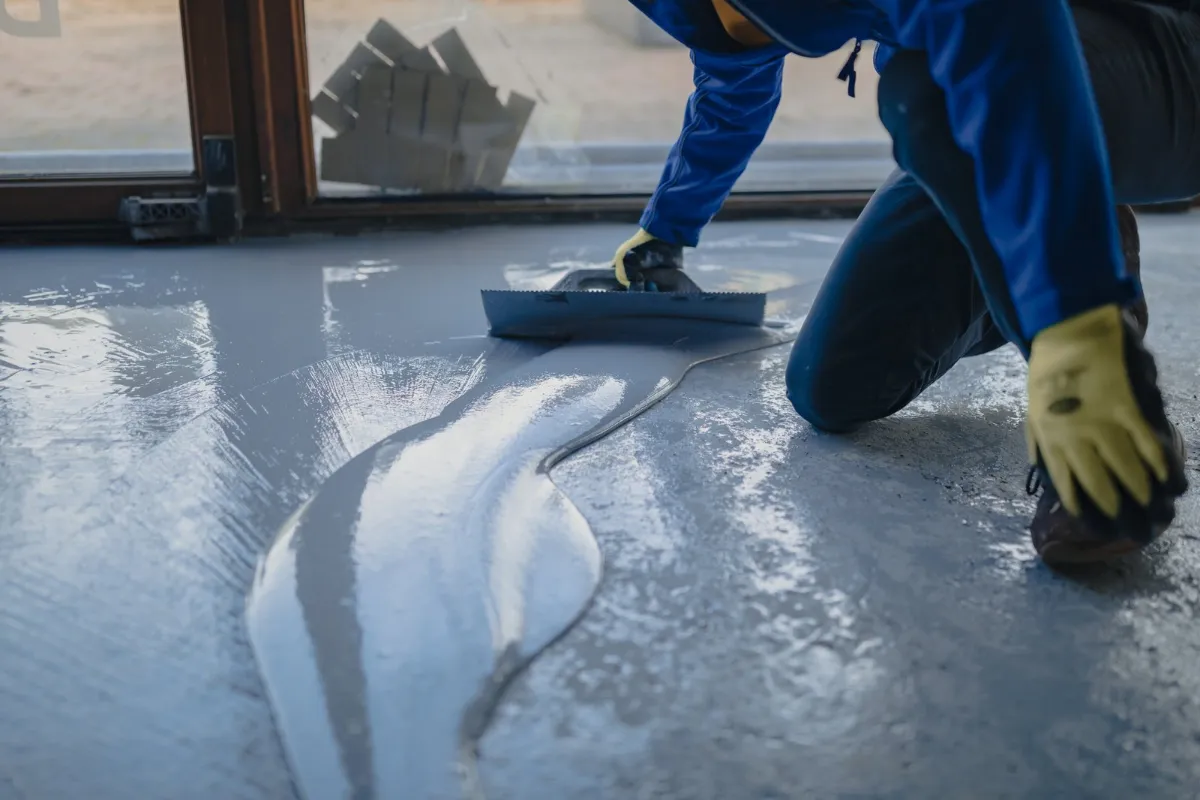
From first walk-through to reopening
Site walk
We review the space, existing floor, moisture, drains, cleaning products and traffic.
Proposal and plan
System specs, a phasing plan and a schedule built around your operations.
Preparation
Removal of old flooring, grinding, drain and joint detailing, repairs.
Installation
Coating layers applied zone by zone, including coves and textures.
Handover
Final inspection, cure times and a cleaning and maintenance guide for your staff.
Working in downtown and older buildings
Many Flagstaff businesses occupy older buildings downtown and along Route 66. Those spaces often have concrete that has been patched, painted or covered several times, uneven floors and drains that were added later. Some have basements or below-grade areas with moisture to manage.
We are used to working with those conditions and with landlords and neighbors in shared buildings. We coordinate access and noise, keep dust contained and plan for the realities of a building that might be a century old. For newer commercial spaces near the airport, east Flagstaff and along Milton Road, the focus shifts to scheduling, durability and appearance.
Why the installer matters for a business
A failed commercial floor means more than a cosmetic problem. It can mean a slip hazard, a failed inspection or another closure. The details that prevent that include moisture testing, the right system for your chemicals and temperatures, correct detailing at drains and walls, and texture in the right places. We take the time to get those right up front, so the floor quietly does its job for years.
What shapes the price of a commercial floor
No two commercial projects price the same, but the drivers are consistent. Removing old flooring, especially tile or glued-down vinyl, can be a large share of the work. Slab condition and moisture matter, particularly in older downtown buildings. Brewery and kitchen systems with urethane cement, coves and drain detailing cost more per square foot than a front-of-house flake floor. Overnight or phased schedules add planning and crew time.
We break those items out line by line so you can see the trade-offs. Often the smartest budget puts the heavy system where water and chemicals are, and a simpler, attractive finish everywhere else.
Keeping a commercial floor in shape
Staff training is the cheapest maintenance there is. We leave a short guide covering which cleaners suit the topcoat, how to handle spills and what to avoid. Entry mats and grates do a huge amount of work in winter by trapping cinders before they spread across the floor.
Expect the busiest paths, such as the line from the door to the counter or the route between kitchen and dish pit, to show wear first. A maintenance topcoat in those zones every few years keeps the whole floor even and takes far less time than the original installation.