Metallic epoxy is the most artistic system we install. Instead of a flat color or a scatter of chips, the floor is made of fine reflective pigments floating in clear resin. While it is wet, we push, pull and lift those pigments with rollers, trowels and brushes. As it levels and cures, the pattern settles into soft clouds, veins or currents that shift as light moves across the room.
In a Flagstaff home, that can mean a basement family room that glows like a frozen lake, a great room with the warm depth of polished bronze, or a gallery floor that feels like slate. This page covers what to expect, where metallic works best and how the climate here affects the process.
What sets a metallic floor apart
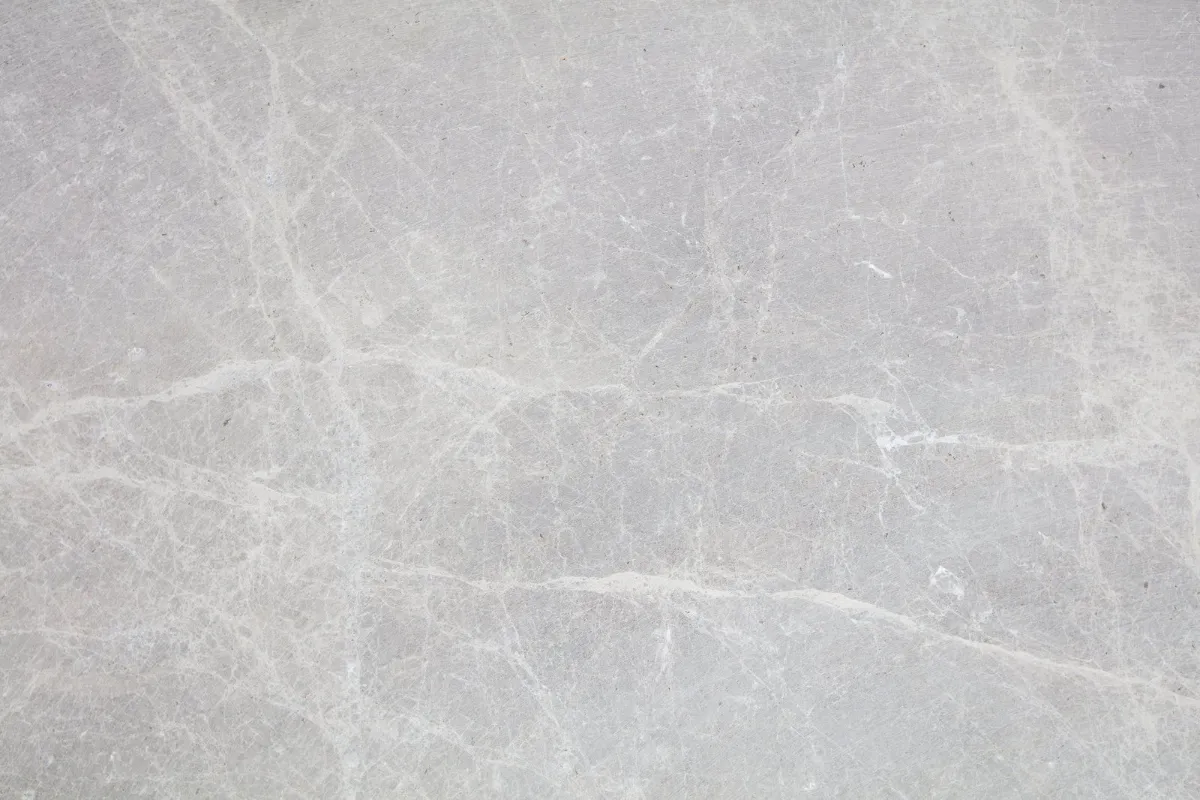
Most floor coatings are about covering concrete. Metallic is about depth. Because you are looking into a clear layer of resin with reflective particles suspended at different levels, the floor appears to have dimension, more like a polished stone slab than a painted surface.
That effect depends on three things. The background tone, set by a tinted base coat under the metallic layer. The pigments themselves, which may be pearl, silver, copper, bronze or tinted micas. And the technique used to move them, which controls whether the finish reads as soft and cloudy, sharply veined or flowing like water.
Because the final pattern forms as the resin levels, a metallic floor can be guided but not fully controlled. That unpredictability is the appeal. It also means you should expect your floor to share the character of a sample rather than match it exactly.
Spaces where metallic shines
Palettes drawn from around Flagstaff
Any color combination is possible. These are palettes that tend to feel at home here.
Frozen lake
Silver, pearl and pale blue-grey over a light base. Cool, calm and bright in a basement.
Basalt
Charcoal and gunmetal with silver veining. Dramatic and modern, and it hides grit better than light colors.
Aspen gold
Warm gold and bronze movement for a room that feels like October in the Inner Basin.
Canyon copper
Rich copper and rust tones that pair well with wood beams and stone fireplaces.
How we create a metallic floor
Metallic floors take more preparation and planning than any other system.
Design first. We look at photos you like, talk through color and movement and bring sample boards. We are honest about which effects are realistic.
Flat, sound concrete. Metallic resin highlights every low spot and patch line, so the slab is ground flat and repaired carefully.
Primer and tinted base. These seal the concrete and set the background tone the metallics will play against.
Pattern day. Pigmented resin goes down wall to wall without a break, which is what keeps batch lines out of the finished floor.
Topcoat. A clear protective layer in gloss or satin adds scratch resistance and, where sunlight reaches, UV stability.
Setting the right expectations
We want you to love your floor, so we are upfront. Metallic floors are unique and cannot be replicated exactly. Gloss finishes show dust, footprints and fine scratches more than satin or flake. Spot repairs to the decorative layer are difficult to blend invisibly. And metallic is not the best choice for a working garage full of tools and grit.
For the right room, none of that matters, and the result is a floor people stop to look at. For a mudroom or workshop, a flake system will serve you better, and we will say so.

Cold rooms, altitude sun and metallic resin
Temperature has a big effect on metallic work. Resin thickens in a cold room, which changes how pigments move and how the floor levels. Many Flagstaff basements and cabins are cool for much of the year, so we warm the space beforehand and keep it steady during the pour and cure.
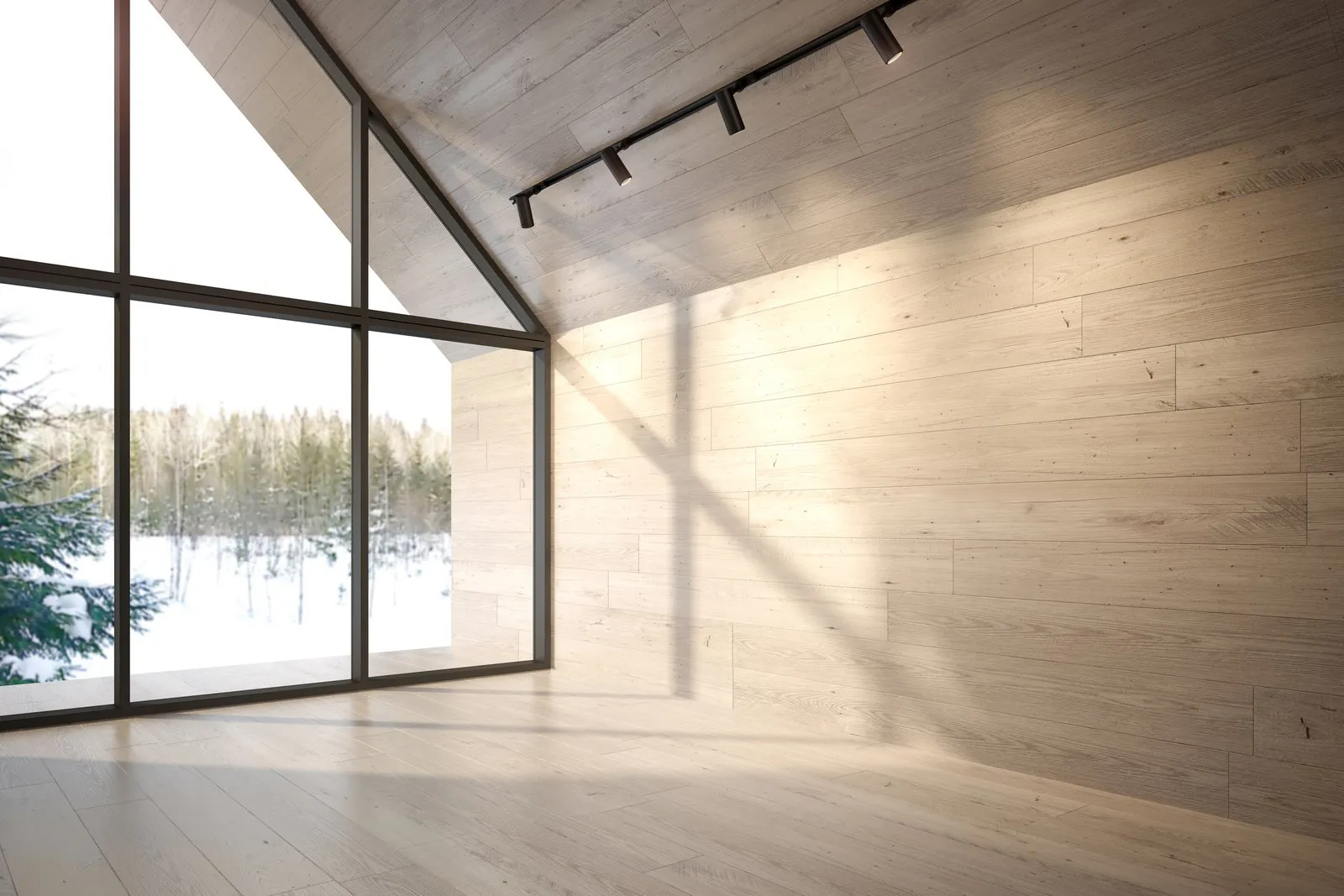
Sunlight is the other factor. At this elevation, UV through big windows is strong enough to shift the color of unprotected epoxy over time. In sunlit rooms we specify UV-stable topcoats to keep the floor's true tones.
Finally, think about grit. Even in a living space, cinders and sand get tracked in during winter. Mats at doors and a satin topcoat help a metallic floor stay looking its best.
Why metallic needs an experienced hand
Metallic epoxy is one of the least forgiving coatings to install. Working time is limited, the entire floor has to be handled in one session, and mistakes such as roller marks, uneven mixing or dust in the surface are permanent. The pattern relies on technique that only comes with practice.
A practiced metallic crew gets you something that reads as polished stone; an inexperienced one gets you something that reads as a spill. Before signing with anyone, ask to see their boards and photos of rooms they have actually finished.
Living with and caring for a metallic floor
Dust mop regularly and damp mop with a neutral cleaner. Put felt pads on furniture legs and use entry mats to keep grit off the surface. Avoid dragging heavy items. If the topcoat dulls in high-traffic paths after years of use, it can be lightly abraded and recoated, renewing the shine without touching the decorative layer.
Pricing reflects the extra layers and labor. Size, slab condition, the number of colors and the topcoat all affect cost, and we quote each project individually after seeing the space.
Choosing the right room for a metallic floor
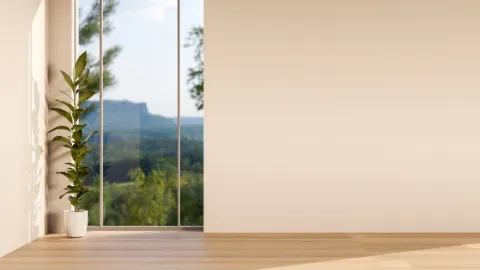
The best metallic floors are in rooms where people linger and where the light changes through the day. Basements with a mix of lamp light and window light, great rooms with big views, galleries and tasting rooms all show off the depth of the finish.
Rooms that see a lot of grit, such as mudrooms right off a gravel driveway, are less suited, because fine scratches build up faster on gloss. If you love the look but have a busy entry, consider a metallic floor in the main room and a fine flake in the entry, joined with a clean transition.