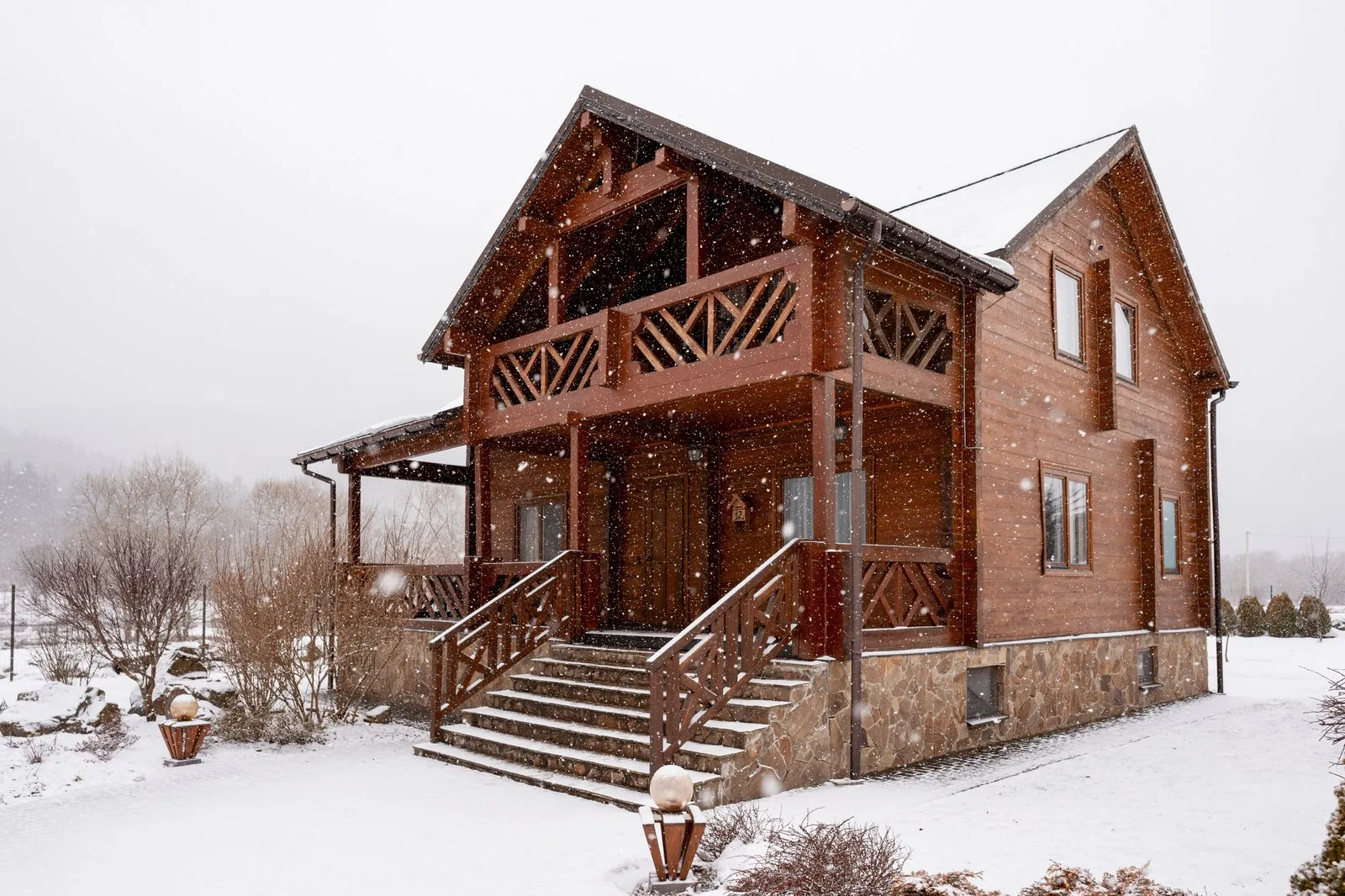
Exterior concrete here takes a beating. Front steps get shoveled and salted all winter. Walkways freeze and thaw dozens of times. Covered porches collect drifted snow and wet boots, and the patio that is pleasant in July spends months under a snowbank.
That is also why exterior coatings need more care than garage floors. A thick, glossy garage system placed on an uncovered walkway can trap moisture, get slick with ice and suffer under snow shovels. In Flagstaff we approach outdoor concrete differently: sometimes a textured coating is right, sometimes a breathable penetrating sealer is the better call. This page explains how we decide.
Coating or sealer? Matching the product to the surface
The first question for any outdoor project is how exposed the surface is. Here is how we generally approach it.
| Surface | Exposure | What we usually recommend |
|---|---|---|
| Covered porch or patio | Roof overhead, some blowing snow | Textured flake or solid coating with UV-stable top |
| Hot tub pad | Water, chemicals, bare feet | Textured, chemical-resistant coating, or sealer if uncovered |
| Entry steps | Shoveling, salt, ice | Penetrating sealer, or coating with heavy texture if covered |
| Walkways and uncovered patios | Full weather and snow | Penetrating sealer in most cases |
| Driveways | Plows, tires, deicers, full sun | Penetrating sealer; coatings rarely recommended |
Penetrating sealers soak into the concrete and reduce water and salt absorption without forming a film on top. They do not change the look much, but they breathe, they do not get damaged by shovels and they are very effective at slowing freeze-thaw scaling. For many uncovered surfaces here, that is the smartest option.
Covered porches: where coatings shine outdoors
Covered porches and entries are perfect candidates for a real coating. The roof keeps off most of the snow and direct rain, but the floor still sees wet boots, dog paws, pine needles and drifted snow.
A textured flake or solid system with a UV-stable topcoat gives these spaces a finished look and a surface that is easy to sweep and hose off. We add slip-resistant aggregate as standard, since porches are where people step out of the house onto a surface that may be wet or frosty.
Porches also tend to get afternoon sun in summer. At this elevation, standard epoxy would discolor, so we use topcoats designed for exterior UV exposure.
Exterior system options
Textured exterior flake
For covered porches and patios. Hides pine needles and grit and gives grip.
Solid color with grit
A clean, single-color coating with heavy texture for steps under cover.
Penetrating silane or siloxane sealer
Invisible protection for uncovered walkways, steps and driveways. Reduces water and salt absorption.
Repair and resurfacing
For scaled walkways and steps, a repair or thin resurfacing layer before sealing.
What protection buys you
Slower winter damage. Less water and salt in the concrete means less scaling and flaking every spring.
Safer footing. Textured coatings and sealers that do not form a slick film make wet steps and porches safer.
Easier upkeep. Pine needles, mud and pollen sweep or hose away from a sealed surface instead of staining it.
Better looking entries. Repaired, coated porches and steps make a home look cared for, especially in older neighborhoods where concrete has weathered for decades.
Longer concrete life. Replacing steps and walkways is expensive. Protecting them is not.
How we handle an exterior project
Assess exposure and condition
We look at cover, drainage, existing scaling and what deicers have been used.
Clean and prepare
Grinding or profiling for coatings; thorough cleaning for sealers.
Repair
Scaled areas, cracks and spalled edges are repaired so the surface is sound.
Apply coating or sealer
In the right temperature and dry-weather window, with texture where needed.
Cure and care plan
We explain cure time and how to shovel and deice the surface without damaging it.
Snow, shovels and summer storms
A few local habits shape our recommendations. Steel-edged shovels and snow blowers can scrape and gouge film-forming coatings on uncovered steps and walks; plastic-edged shovels are kinder to any surface. Rock salt and some chloride deicers accelerate scaling on bare concrete, so sealing is especially valuable where they are used.
Summer brings intense sun and the monsoon. Exterior work is scheduled for dry mornings with a clear forecast, since coatings and sealers need time before they meet rain. Fall is the most popular time for exterior projects, giving you protection right before the first snow.
Why outdoor work needs a careful contractor
Outdoor concrete projects fail for predictable reasons: the wrong product for the exposure, coating over moisture or efflorescence, skipping repairs, or applying in poor weather. In a freeze-thaw climate, those mistakes show up quickly as peeling, blistering or slick surfaces.
A good contractor will sometimes talk you out of a coating and into a sealer, or tell you a surface needs repair first. That honesty is worth more than a glossy finish that does not survive the winter.
Caring for coated and sealed exterior concrete
Use plastic-edged shovels where possible, especially on coated porches and steps. Choose deicers labeled as safer for concrete, and use them sparingly. Sweep away cinders and grit, which act like sandpaper underfoot.
Penetrating sealers generally need reapplication every few years, depending on exposure. Coated porches benefit from a maintenance topcoat after several seasons of heavy use. We can let you know what to expect for your surfaces.
Choosing deicers that are kinder to concrete
Deicers are part of life here, but some are much harder on concrete than others. Rock salt and some chloride-based products speed up scaling, especially on newer concrete or surfaces that have not been sealed. Products labeled as safer for concrete, used sparingly, cause less damage. Sand or cinders add traction without chemicals, though they need sweeping up in spring.
Whatever you use, sealing exterior concrete reduces how much of it soaks in. We are happy to talk through options for your steps and walkways during the estimate.
What exterior protection costs
Penetrating sealers are generally the most affordable way to protect exterior concrete, with pricing driven mostly by area and how much cleaning and repair the surface needs. Coatings for covered porches cost more because they involve grinding, multiple layers and texture. Repairs to scaled steps or walkways are priced separately so you can decide what to fix now and what to protect and monitor.
Hot tub pads deserve their own plan
Hot tubs are popular here for obvious reasons, and the pad underneath gets a tough mix of conditions: splashed water and sanitizer, bare feet, snow drifting against the cover and freezing nights. Water that soaks into bare concrete around a tub freezes and scales the surface, often within a few winters.
For covered tub areas, a textured, chemical-resistant coating works well and makes the space feel finished. For open pads, a penetrating sealer plus good drainage away from the tub is usually the better long-term answer. In both cases we pay close attention to slip resistance, since that is the one spot people walk barefoot on wet concrete in January.